
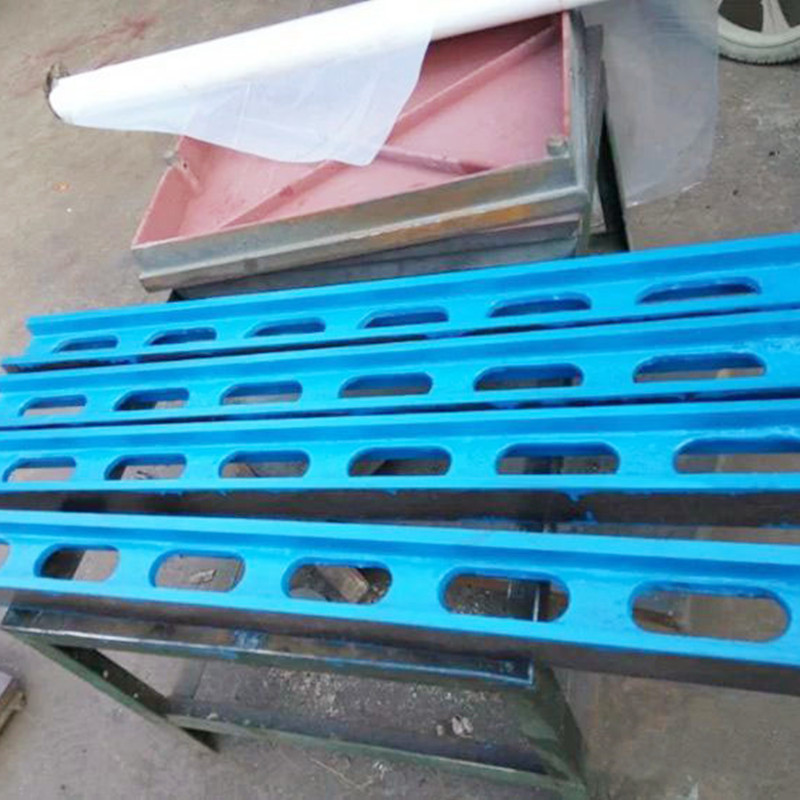
tempered glass production
Understanding Precision Thread Gauges A Key Tool in Manufacturing In the manufacturing and engineering industries, precision is paramount. One of the critical components ensuring this precision is the thread gauge, specifically designed for testing threaded parts in various applications. This article delves into the importance of precision thread gauges, their types, uses, and the impact they have on quality control in production processes. What Are Precision Thread Gauges? Precision thread gauges are instruments used to measure the dimensional and functional characteristics of threaded components. They are essential for ensuring that the threads on screws, bolts, and other fasteners meet specified tolerances and quality standards. These gauges help verify not only the pitch and diameter of threads but also their form and fit, which are crucial for the proper function of mechanical assemblies. Types of Precision Thread Gauges There are several types of thread gauges, each designed for specific measuring tasks . The most common types include 1. Go/No-Go Gauges These gauges consist of two parts – a Go gauge that should fit the threaded part and a No-Go gauge that should not. This simple method allows for rapid assessment of whether a threaded component meets the required specifications. 2. Thread Calipers Similar to regular calipers, thread calipers are used to measure the diameter and pitch of threads with high precision. They provide a more detailed measurement compared to Go/No-Go gauges. 3. Thread Ring Gauges Used for external threads, these gauges allow for the assessment of the thread's diameter and pitch. They come in various sizes to accommodate different thread specifications. 4. Thread Plug Gauges These are used for internal threads and operate on a similar principle as ring gauges. They ensure that the internal threads are within the specified tolerance levels. The Importance of Precision Thread Gauges precision thread gauges The accuracy of threaded components is crucial for the performance, safety, and reliability of mechanical systems. Precision thread gauges play a vital role in several aspects - Quality Assurance By regularly measuring and checking threaded components during the manufacturing process, companies can ensure that their products meet industry standards and customer requirements. This reduces the incidence of failures due to improperly threaded parts. - Cost Efficiency Investing in precision thread gauges can lead to significant cost savings. By identifying defects early in the production process, manufacturers can minimize waste and reduce the costs associated with returns and repairs. - Regulatory Compliance Many industries are governed by strict regulations requiring adherence to specific standards. Precision thread gauges ensure that manufacturers comply with these regulations, avoiding legal penalties and maintaining their reputation in the industry. - Innovation and Improvement The use of precision measurement tools encourages continuous improvement in manufacturing processes. By monitoring and analyzing measurement data, companies can identify areas for enhancement and innovate new product designs. Conclusion In conclusion, precision thread gauges are indispensable tools in the manufacturing industry. Their role in quality control, compliance, and efficiency cannot be overstated. As technology evolves, the methods and tools for measuring threaded components are also advancing, offering even greater accuracy and reliability. For manufacturers aiming to maintain competitive advantage and deliver high-quality products, investing in precision thread gauges is a strategic necessity. By ensuring the integrity of threaded connections, these gauges help uphold the standards of safety and performance that we rely on in everyday life.
about
tempered glass production
Understanding Internal Thread Gauges Importance and Application Internal thread gauges are essential tools used in various industries to ensure that threaded components meet specific standards and specifications. These gauges are crucial for the quality control of parts that have internal threads, such as pipes, bolts, nuts, and other fasteners used in mechanical systems. This article aims to explore the significance, types, and applications of internal thread gauges. What is an Internal Thread Gauge? An internal thread gauge is a precision instrument designed to measure and inspect the dimensions and functional characteristics of internal threads within holes. These gauges are typically used to ensure that the internal threads are cut to the correct size and pitch, conforming to specific standards such as those established by the American National Standards Institute (ANSI) or the International Organization for Standardization (ISO). Types of Internal Thread Gauges There are several types of internal thread gauges, each designed for specific applications and measurements 1. Go/No-Go Gauges This type of gauge consists of two components a Go gauge that should fit into the internal thread, and a No-Go gauge that should not fit. The proper functioning of these gauges ensures that the threads are within tolerance. If the Go gauge does not fit, or if the No-Go gauge fits, the threaded hole is considered out of specification. 2. Thread Plug Gauges These gauges are similar to go/no-go gauges, but they are utilized to check the thread depth and pitch diameter with more precision. This is particularly important in applications with high-stress components where even minor discrepancies can lead to catastrophic failures. internal thread gauge 3. Thread Pitch Gauges These gauges allow for the measurement of the pitch of the internal threads. By aligning the gauge with the threads, users can identify the thread pitch, which is crucial for ensuring compatibility with mating components. Importance in Manufacturing The use of internal thread gauges is vital for maintaining quality control in manufacturing processes. Ensuring proper thread dimensions is crucial for - Safety and Reliability Incorrectly sized threads can lead to failures in mechanical systems, which may pose safety risks. - Interchangeability Standardized threads ensure that components can fit together seamlessly, reducing the likelihood of production errors. - Cost-Efficiency By catching thread defects early in the manufacturing process, companies can save on costs associated with reworking or replacing defective parts. Applications Internal thread gauges are widely used across various industries, including automotive, aerospace, oil and gas, and manufacturing. For instance, in the automotive industry, precision-engineered components require accurate threading to ensure functionality and safety. In the aerospace sector, where weight and reliability are critical, the use of precise internal thread gauges helps maintain the integrity of components under stress. Conclusion In summary, internal thread gauges are indispensable tools in quality control, ensuring that internal threads meet required specifications. Their use across multiple industries underscores their importance in enhancing safety, reliability, and efficiency in manufacturing processes. By understanding and utilizing these gauges effectively, manufacturers can significantly improve product quality and performance.
-

High quality industrial productsagement

High quality industrial products
View Details -

Meet the diverse needs of customers

Meet the diverse needs of customers
View Details -

Strict quality control

Strict quality control
View Details -

Top raw materials

Top raw materials
View Details -

Trusted supplier

Trusted supplier
View Details
Our application


news and information
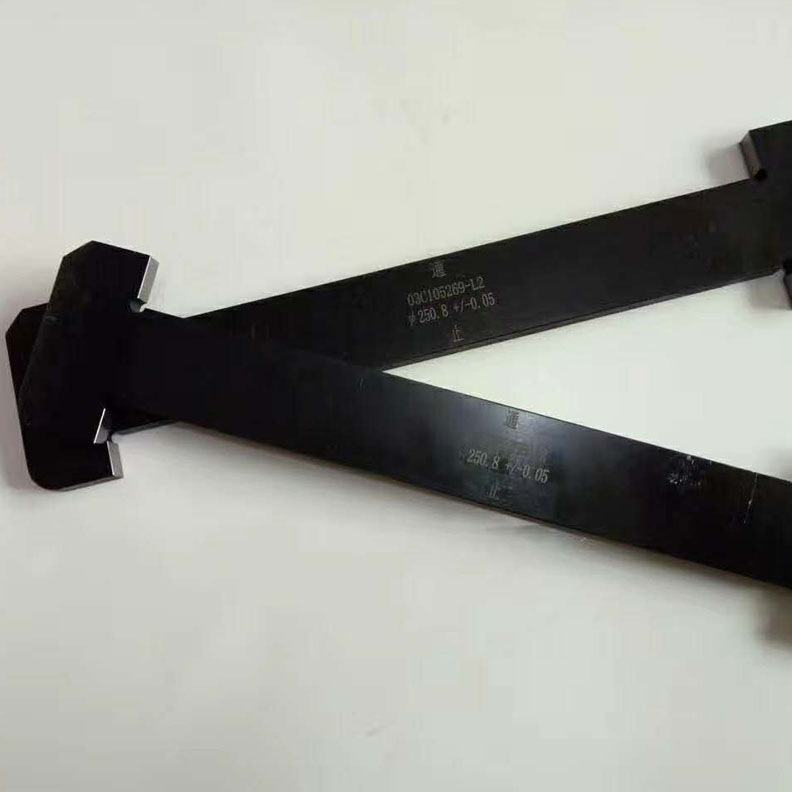
Versatile DIY Welding Table for Home Projects and Metal Fabrication
The Ultimate Guide to Home Welding Tables Home welding has gained immense popularity in recent years

Using Taper Plug Gauge for Precision Inspection and Measurement in Manufacturing Processes
Understanding Taper Plug Gauges Their Purpose and Application in Quality Control Taper plug gauges a
welding tables for sale
The Importance of Quality Welding Tables for Sale When it comes to metal fabrication, welding plays
 English